
Environmental Impacts of Using Silicone vs. Plastic in Kids' Product Manufacturing
As more parents become environmentally conscious, the choice between silicone and plastic for children’s products has become an important consideration. While both materials have their pros and cons, their environmental impacts differ significantly. This blog post explores these differences to help you make informed decisions.
1. Production Process
Plastic is typically derived from fossil fuels, which involves extraction and refining processes that result in significant greenhouse gas emissions. On the other hand, silicone, which is made by converting silica found in sand, has a less energy-intensive production process. Although silicone manufacturing does involve hydrocarbons, its ecological footprint is generally smaller compared to plastic.
2. Durability and Lifecycle
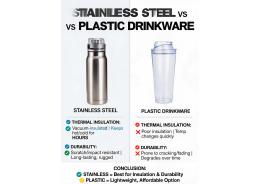
Products made from silicone often have a longer life span as silicone is more durable, heat-resistant, and less prone to degradation than most plastics. This can result in less frequent replacement and therefore lower overall waste generation over time. Conversely, worn-out plastic products contribute to landfill accumulation more rapidly.
3. Recycling and Decomposition
Plastic recycling is more widespread albeit complex, with many types often not being recyclable through curbside programs. Silicone is less widely recycled, but its longevity and reduced degradation may offset this. While both materials are not biodegradable, the recycling infrastructure for plastics is currently more developed.
4. Safety and Environmental Health
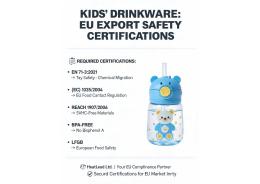
Both silicone and certain plastics are generally considered safe for children’s products when used appropriately, but concerns remain about toxicological impacts. Some plastics can leach harmful chemicals, particularly when heated, whereas high-quality silicone is stable and chemical-free, posing fewer risks to human health.
Conclusion
The choice between silicone and plastic involves weighing different environmental impacts. Silicone generally offers benefits in terms of durability and safety, while plastic has a broader recycling network. Parents should consider these factors alongside usage patterns and personal values when selecting products for their children.



 English
 German
 French
 Russian
 Spanish
 Japanese
 Korean
 Portuguese
 Ukrainian
 Arabic
 Italian