
How Does the Insulation Performance of Plastic Differ from Stainless Steel in Insulated Tumblers?
Insulated tumblers are a must-have for keeping beverages hot or cold for extended periods. The type of material used in their construction significantly impacts their insulation performance. Two of the most common materials are plastic and stainless steel, and they differ in several key ways when it comes to insulation efficiency.
Understanding Insulation in Tumblers
Insulation works by minimizing heat transfer between the interior and exterior of the tumbler. The two main mechanisms of heat transfer are conduction, convection, and radiation. A well-insulated tumbler reduces all three, maintaining the temperature of the liquid inside.
Plastic Insulated Tumblers
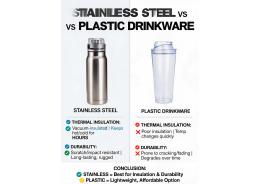
Plastic is generally less effective at insulating than stainless steel. It has a lower thermal conductivity, meaning it does not transfer heat as efficiently. While this can sometimes sound positive, it means that plastic tumblers might struggle with extreme temperature retention.
Most often, plastic tumblers rely on double-wall construction as well as air gaps to provide insulation. While this helps, plastic tumblers often cannot preserve the temperature of hot liquids or chilled beverages for as long as stainless steel.
Stainless Steel Insulated Tumblers
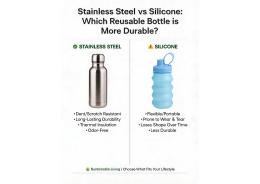
Stainless steel is widely considered the superior material for insulation. Tumblers made of stainless steel often incorporate vacuum insulation, which dramatically minimizes heat transfer through conduction. Vacuum insulation creates a space devoid of matter, effectively eliminating heat conduction and achieving superior temperature retention.
Additionally, stainless steel tumblers are highly durable and resistant to wear, making them ideal for outdoor and heavy-duty use. They also tend to hold temperatures for much longer durations compared to plastic tumblers.
Which Material Should You Choose?
The choice between plastic and stainless steel depends on your specific needs. If you're looking for a lightweight tumbler for convenient, casual use, a plastic option might suffice. However, if you need long-lasting temperature retention and rugged durability, stainless steel is the better choice.
At HeatLead Ltd, we specialize in providing insights into materials and products designed to optimize thermal performance. If you're considering an insulated tumbler, explore our resources to make an informed choice that suits your lifestyle.
Conclusion
Both plastic and stainless steel have their strengths and weaknesses when it comes to insulation performance. However, for superior temperature control and durability, stainless steel typically outperforms plastic. Choose wisely based on your daily habits and temperature retention needs!

 English
 German
 French
 Russian
 Spanish
 Japanese
 Korean
 Portuguese
 Ukrainian
 Arabic
 Italian